
- Community building means shifting the goal from reaching more people to deepening the relationship with the people who already care: conversations, trust and repeat custom.
- The platforms reward the same thing. Instagram's head has said watch time, likes and sends are the signals that matter most for ranking, and sends are how a community shares what it values.
- Small, focused spaces such as groups, broadcast channels and close friends lists often build more loyalty than a large public feed.
- UGC (user generated content) campaigns, long-term creator partners and listening tools all help, but none replaces replying quickly: about three quarters of consumers expect a reply on social within 24 hours.
- Measure what a community does, not how big it is: replies, saves, sends, returning commenters, messages and enquiries.
Followers or community: what changes
When this article was first written in January 2025, its argument was that social media managers would evolve from people who grow follower counts into community architects: shaping conversations, trust and loyalty around a brand. Nearly two years on, that shift is well under way, and it is what most of our day-to-day social media work now looks like.
The reason is partly the size of the audience and partly how the platforms decide what to show. There are around 55.5 million social media user identities in the UK, according to DataReportal's Digital 2026 report. Nearly everyone your business wants to reach is already there, and almost every competitor is posting to the same people. Reach on its own is no longer scarce; attention and trust are.
The platforms have moved in the same direction. Instagram's head, Adam Mosseri, said in January 2025 that the three signals that matter most for ranking are watch time, likes and sends, and advised creators to watch likes per reach and sends per reach, as Social Media Today reported. A send is someone choosing to pass your post to a friend. It is a small act of community, and it is now one of the strongest signals a post can earn.
So the job changes. A follower-led approach asks "how do we get more people to see this?" A community-led approach asks "how do we give the people who already care a reason to talk to us, to each other, and to their friends about us?" The second question is harder, but it builds something a competitor cannot copy by spending more on adverts.
Micro-communities: smaller spaces, stronger bonds

The era of one-size-fits-all content is fading. Alongside the public feed, many brands now run smaller, focused spaces for the people who care most: a private Facebook Group, a Discord server, an Instagram broadcast channel, or a close friends list for Stories. These micro-communities give members a sense of belonging, and they give the brand a direct line to its most engaged customers.
Instagram's broadcast channels are a good example of the tools now available. Instagram describes them as a public, one-to-many messaging tool for creators to engage directly with their followers, with text, photos, video, voice notes and polls, as reported when they launched in February 2023. For a brand, a channel like this is the place for early news, behind-the-scenes updates and quick polls that would clutter the main feed.
Why it matters: people join these spaces to connect with others who share their interests. For a brand, that is a chance to cultivate a loyal, passionate following that will tell you what it wants before you have to guess.
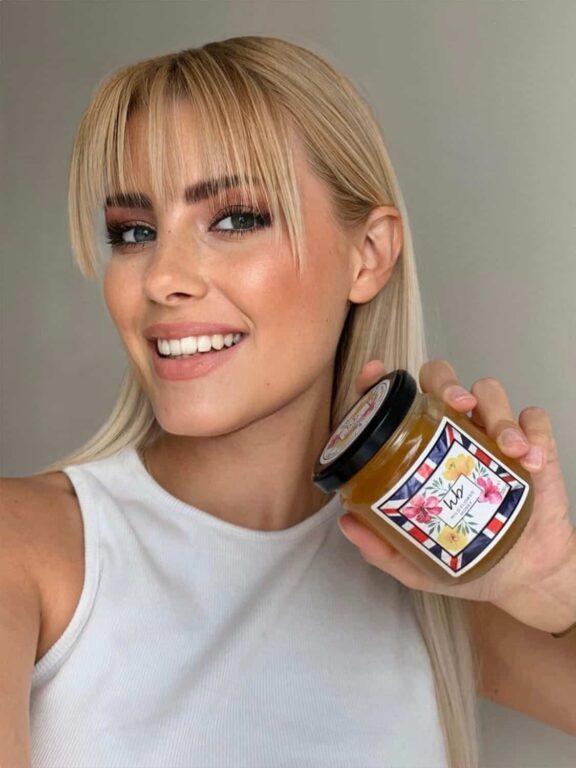
The original article's example is still a good one: a honey brand could run a private Facebook Group for people who love cooking and baking with honey, sharing recipes, seasonal news from the hives and stories from the beekeepers. One change we would make in 2026 is to the "natural remedies" angle the original suggested. Claims that a food prevents, treats or cures a disease are not allowed in the UK, and only authorised health claims may be made about foods, according to the government's guidance on nutrition and health claims. Recipes, provenance and the story of the product are safe ground; cures are not. We run three channels for our own honey brand, and the HoneyBee & Co. case study shows how.
- Choose one spacePick the place your customers already gather. A Facebook Group suits an older or local audience; a broadcast channel suits an Instagram-first brand; a Discord server suits gaming, tech and very engaged fans.
- Give it a clear purpose"Recipes and seasonal news for people who cook with our honey" is a reason to join. "Our community" is not.
- Show up regularlyTake part in the conversations, post something exclusive each week, and answer questions yourself. A space the brand ignores empties quickly.
- Host live sessionsA live question and answer session tailored to the community's interests, with a real person from the business, builds more trust than a month of posts.
- Set house rulesA short, friendly set of rules, applied consistently, keeps the space welcoming as it grows.
Interactive UGC campaigns: let your audience shine
The original predicted that UGC would become the cornerstone of authentic social media strategies in 2025, as audiences grew tired of polished, over-produced content. That held. What we would change is the evidence. The original cited research showing that "79% of people say UGC highly impacts their purchasing decisions"; we could not find a current source for that figure, so we have replaced it with research we can trace.
Northwestern University's Spiegel Research Center found the purchase likelihood for a product with five reviews was 270 percent greater than for a product with none. Bazaarvoice reports, from its own research, that UGC lifts conversion by 144 percent among shoppers who engage with it. Different methods, same direction: content from real people helps other people decide.
Why it matters: UGC makes a brand human. By sharing your customers' voices, you are not only promoting a product, you are showing the difference it makes in people's lives, and inviting more people to join in.
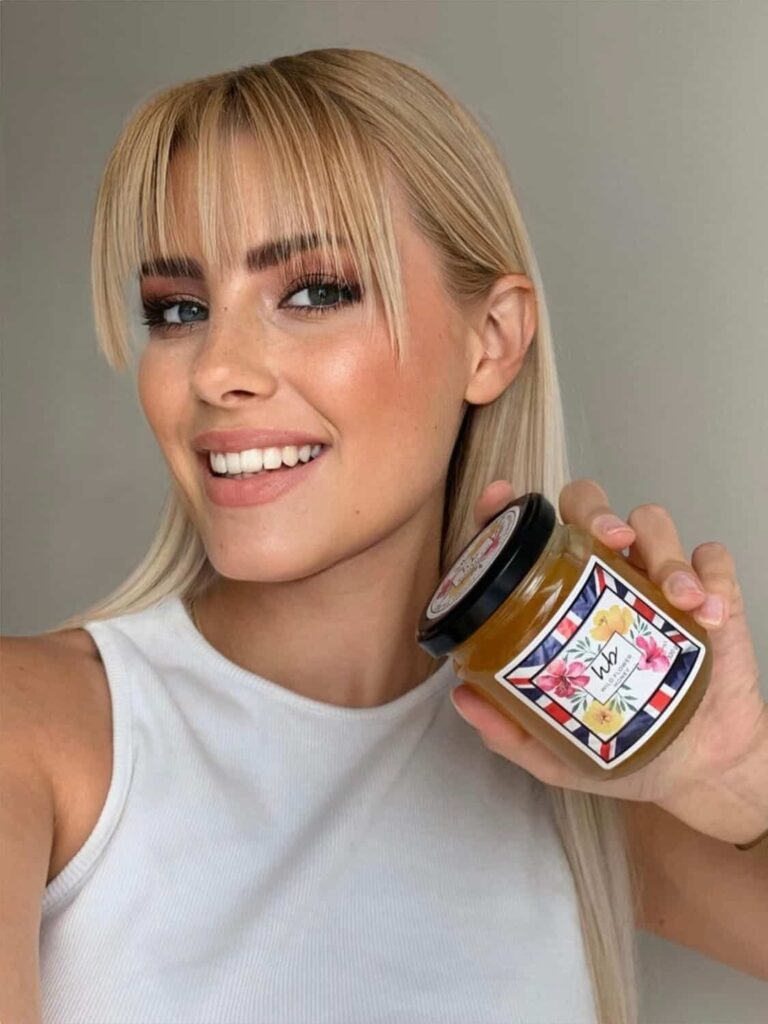
The original's example was a challenge in which customers share videos of how they use a product in their daily routine, such as a honey brand's hashtag campaign for recipes and tips. It still works, with the same caution as above: invite recipes and routines, not health remedies. These are the tactics we use.
If you would rather have a steady supply of content in that natural, customer's-eye style without relying on campaigns, our UGC packages make it in house, and our guide to why companies prioritise UGC sets out the evidence in full.
Creators as partners, not promoters
The original predicted that the most effective influencer partnerships would be built on collaboration rather than transaction, with brands and creators working together over time. That is how the best partnerships we see now work. A creator who features a brand once is an advert; a creator who uses it for months becomes part of the story their audience follows.
Why it matters: long-term partnerships build trust, because the audience sees the relationship as genuine. They also become easier and better over time, because the creator learns the product, the claims you can make and what your customers respond to.
The original's example still works: instead of a one-off post, partner with a creator who shares your values on an Instagram series of weekly tips, tutorials or personal stories featuring your product. Its key tactic, choose creators for their values and their audience rather than their follower count, still stands. The tools to find them have changed a little: Instagram opened its tool for brands to find creators to the UK in 2024, as Lindsey Gamble reported, TikTok moved its matching into TikTok One in 2025, as TechCrunch reported, and paid platforms such as Upfluence and Aspire, which was called AspireIQ when the original was written, according to Influencer Marketing Hub, help brands search and manage creators at scale.
Every paid or gifted partnership must be labelled clearly as an advert. The CMA's guide for influencers says a gift of any product counts as payment, and that tagging a brand or using a discount code is not enough on its own. Our guide to influencer collaborations covers choosing, briefing and measuring creators, and our influencer packages show what we offer from our own accounts.
Listening and data: let the audience guide you
Your audience is constantly giving you feedback, through likes, comments, shares, saves, sends and even silence. A community builder treats all of it as information. The original set out three ways to use it, and all three still apply.
- Social listeningTools such as Brandwatch and Sprout Social let you follow conversations about your industry, your competitors and your brand beyond your own posts. Use them to find the questions people keep asking and the gaps no one is filling.
- Performance analyticsFind which posts perform best and work out why. If behind-the-scenes content drives saves and sends, make it a regular feature. Look at sends per reach and saves, not just likes, because they show what people valued enough to keep or share.
- Ask directlyPolls, question stickers and short surveys involve your audience in your plans. Ask what they want to see next, and then deliver it, and tell them you did. Nothing builds a community faster than people seeing their own idea come to life.
You do not need expensive tools to start. Each platform's own insights show what is working, our free social media audit gives you a baseline, the Instagram engagement rate calculator tells you how your posts land with the followers you have, and the best time to post tool helps you show up when your community is around.
The daily routine of a community builder
Strategy is where community building starts, but the daily routine is where it is won or lost. A community expects to be answered. The 2025 Sprout Social Index found that about three quarters of consumers expect a brand to reply on social within 24 hours or sooner, and that 73 percent say they would buy from a competitor if a brand does not respond. However good the content, an unanswered question undoes it.
This is the rhythm we keep for the accounts we manage. It scales down to a small business doing it alone, and up to a brand with several channels.
Tone matters as much as speed. Reply as a person, not a press office: use the commenter's name, answer the actual question, and keep it warm. When something goes wrong, move the conversation to a private message quickly, fix the problem, and, where it helps, come back to the public thread to say it is sorted. Our full guide to community management goes further, and for business audiences, LinkedIn community management covers that platform's own habits.
What to measure instead of follower count
The original closed by saying that social media success would no longer be measured by follower counts or views, but by the depth of a brand's connections. That is the right goal, but depth needs measuring too, or it becomes a feeling. These are the numbers we report on for community-led accounts, each one a sign of a relationship rather than just reach.
Followers still matter as potential reach, and a community usually grows its following as a side effect. The difference is the order: build the relationship, and the numbers follow. Chase the numbers, and the relationship rarely does. Our social media ROI calculator helps connect these measures to revenue.
The role of the social media manager has changed with it. It is no longer only about content calendars and scheduling posts; it is about creating spaces where your audience feels seen, heard and valued. That is why the brands that do this well transform followers into advocates, advocates into collaborators, and collaborators into long-term supporters, which is how the original version of this article put it, and it still holds.
How our team can help

Community building takes time every day, which is exactly what most business owners do not have. Our plans cover the planning, the content and, from Seed upwards, your comments, with a monthly report in plain English. The managed plans run month to month, with 2 months notice, and the Social Pack has no contract at all.

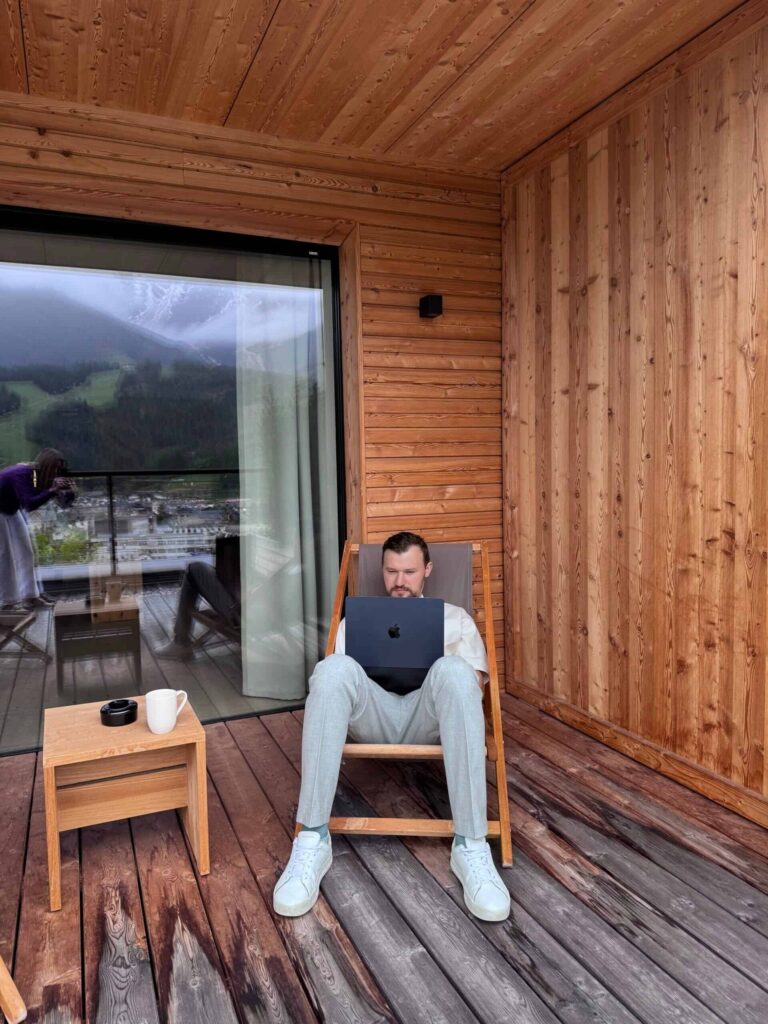
If replying is the gap, Social Media Management: Scale Plan has our team answer your comments Monday to Saturday. If you want to understand the role before you hire, read what a social media manager does and the signs you need one. To see what consistent, community-led social media looks like for a business with several brands, read the Snaptrip Group case study, and for a venue, the No Escape London case study.
See the content we make
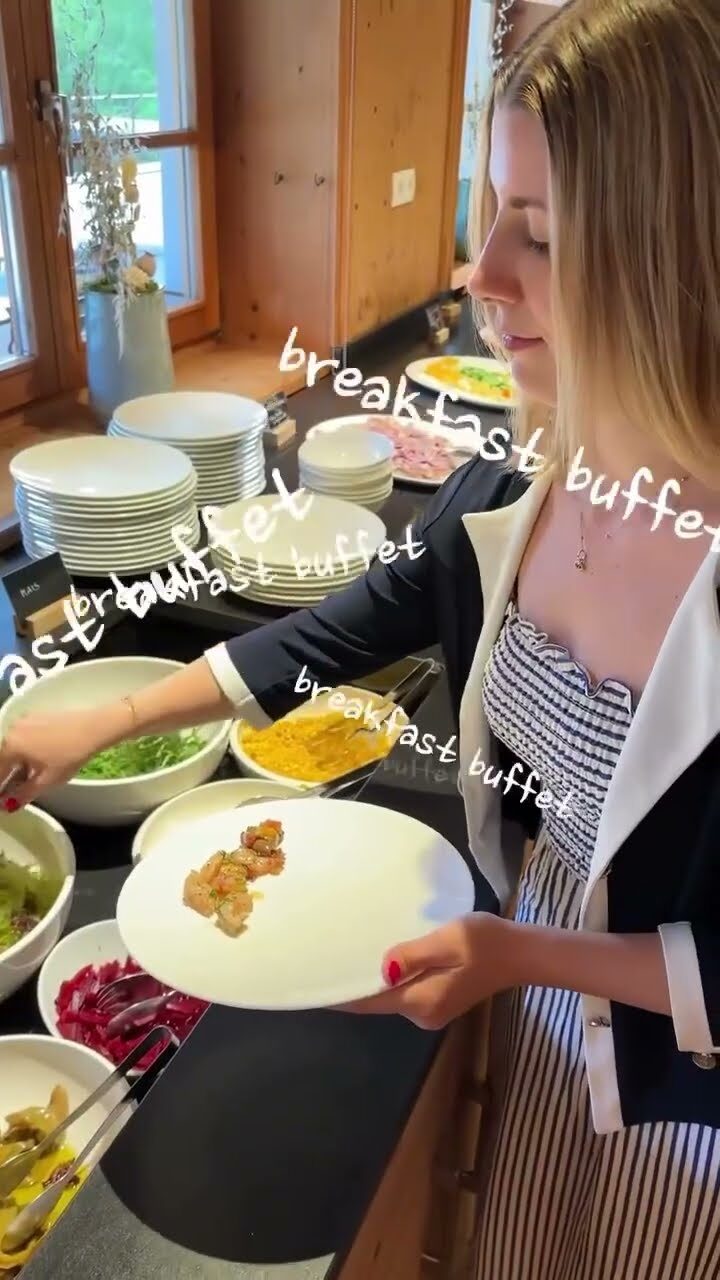
Tap a video to play it. There is more on our work pages.
Community building: questions
What is a community builder in social media?
A social media manager whose goal is the relationship with the audience rather than the size of it: starting conversations, replying quickly, creating spaces where people connect, and turning customers into advocates.
Do followers still matter?
They show potential reach, so yes, but they say little about trust or sales. A community usually grows its following as a side effect. Measure replies, saves, sends, returning commenters and enquiries alongside it.
What is a micro-community?
A small, focused space for the people who care most about a brand or a topic, such as a private Facebook Group, a Discord server, an Instagram broadcast channel or a close friends list. It builds belonging and gives the brand a direct line to its keenest customers.
How quickly should a brand reply on social media?
Within a day at most, and faster where you can. The 2025 Sprout Social Index found about three quarters of consumers expect a reply within 24 hours or sooner, and 73 percent would buy from a competitor if a brand does not respond.
How do I run a UGC campaign?
Pick a simple, specific prompt and a branded hashtag, feature the best entries with permission and credit, publish clear terms for any prize, and ask in writing before you use anyone's content in an advert or on your website.
Which tools help with social listening?
Brandwatch and Sprout Social are two well-known paid tools. To start for free, use each platform's own insights, read your comments and messages carefully, and note the questions that come up more than once.
Can a food brand talk about health benefits in its community?
Carefully. In the UK only authorised health claims may be made about foods, and claims that a food prevents, treats or cures a disease are not allowed. Recipes, provenance and the story of the product are safe ground.
Can an agency manage our community for us?
Yes. Our plans from Seed upwards watch your comments, and Social Media Management: Scale Plan has our team answer them Monday to Saturday, with a monthly report on what people said and what changes next.
- DataReportal, Digital 2026: The United Kingdom
- Social Media Today, Instagram shares algorithm insights, January 2025
- iPhone in Canada, Instagram launches broadcast channels, February 2023
- GOV.UK, Nutrition and health claims: guidance to compliance
- Spiegel Research Center, Northwestern University, How Online Reviews Influence Sales
- Bazaarvoice, Shopper Experience Index 2022
- Lindsey Gamble, Instagram expands its creator tool to new regions
- TechCrunch, TikTok moves creator matching into TikTok One
- Influencer Marketing Hub, Aspire (formerly AspireIQ)
- GOV.UK and CMA, Social media endorsements: being transparent with your followers
- Sprout Social, social media customer service statistics (2025 Sprout Social Index)
A question this article did not answer? Ask our team, and a person will reply.